
Blending Your Own Pipe Tobacco: A Beginner's Guide to Whole Leaf Components
Category: Pipe
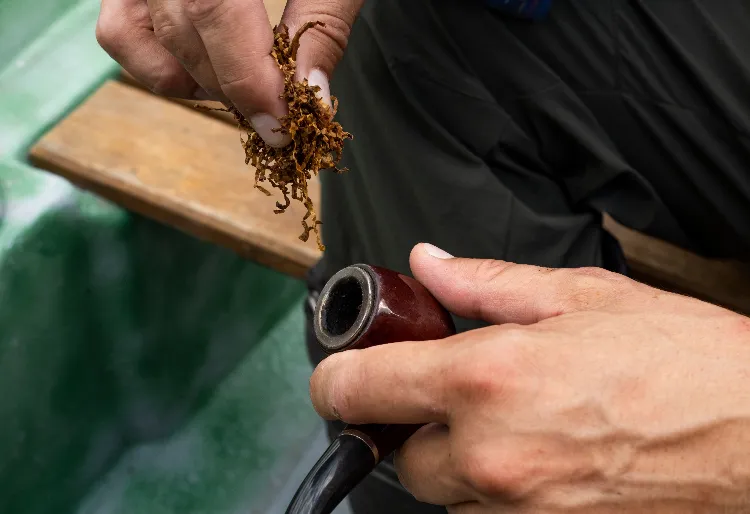
One of the most rewarding parts of working with whole leaf tobacco is that it puts the entire blending process in your hands. Rather than buying a pre-mixed tin and taking the manufacturer's word for what's in it, you're choosing individual leaf varieties, learning how each one behaves, and building a blend that's genuinely your own. This guide walks through the basics of pipe blending using whole leaf tobacco: the core leaf families, how curing method shapes flavor, and a simple approach for combining leaves into a smokeable blend.
Start with the three foundational leaf types
Most classic pipe blends are built from three broad categories, and understanding what each one contributes is the fastest way to start blending intelligently.
Virginia flue-cured leaf is the sugar-forward backbone of most blends. Because it's cured in heated, controlled-airflow barns rather than open air, it retains more natural sugar, which gives it a bright, slightly sweet character and a lighter body. It's often the majority component in "Virginia" and "Virginia/Perique" style blends.
Burley is air-cured in barns without heat, which lets the leaf lose sugar during the slower drying process. The result is a nuttier, earthier leaf with lower natural sweetness and a heavier body: it's frequently used to add depth, nicotine strength, and a drier smoke to a blend that would otherwise be too sweet on its own.
Oriental tobaccos, types like Izmir Turkish, Samsun, and Basma, are small-leaf, sun-cured varieties grown in dry climates. They bring spice, resin, and aromatic complexity in small quantities rather than bulk, which is why they're typically used as a supporting player rather than a base.
Condiment and specialty leaves
Once you're comfortable with the three foundational types, condiment leaves let you push a blend in a specific direction. Perique, traditionally from Louisiana's St. James Parish, is pressure-fermented rather than simply cured, giving it a dark, peppery, fruit-like intensity, a small percentage goes a long way. Dark air-cured and fire-cured leaves add smokiness and heft; fire-cured leaf in particular picks up a distinct campfire character from being cured over open hardwood fires. Nicotiana rustica, a separate and much stronger species than common tobacco, is occasionally used in tiny amounts by experienced blenders for added intensity, but it's not a leaf to start with as a beginner.
A simple process for building a blend
Sample each leaf on its own before combining anything. Tobacco leaves vary noticeably by primer position (where on the stalk the leaf grew) and grade, so tasting individual leaves, even just a small pinch, dried and rubbed out, tells you far more than any description can.
Once you know how each leaf behaves, start blending in small batches, and write down your ratios every time. A common beginner approach is a Virginia-based blend (60-75%) with Burley added for body (15-25%) and a small percentage of Oriental or Perique (5-10%) for complexity. Adjust from there based on what you taste.
Pay attention to moisture and cut. Whole leaf arrives with the stem intact and needs to be de-stemmed and shredded before blending, a manual or electric tobacco shredder gives far more consistent results than cutting by hand. For pipe tobacco, aim for a moisture level where the leaf is pliable but not damp, roughly like fresh bread: too dry and it burns hot and fast, too wet and it won't stay lit.
Storage after blending
Once a blend is mixed, its shelf life depends heavily on how it's stored. An airtight container with a stable humidity source (a 62-69% Boveda pack is a common choice for pipe tobacco) will keep a blend from drying out or growing mold, and keeping blends away from direct light and heat preserves flavor for months. Some blenders find that a resting period of a few weeks after mixing lets the individual leaf flavors marry together more smoothly.
Blending your own pipe tobacco from whole leaf takes more patience than buying a tin off a shelf, but it also means total control over what's in your blend: no fillers, no casing sauces, and no guesswork about where the leaf came from.